
Choosing the right retainer after braces or Invisalign is one of the most important decisions you’ll make for your long-term results. Our team at Lazin Family Orthodontics helps patients weigh their options every day, and the question of fixed vs. removable retainers comes up in nearly every end-of-treatment conversation. Both styles work well when they’re used correctly. The right fit for you depends on your bite, your habits and how your teeth responded to treatment.
What Are Fixed and Removable Retainers?
Retainers are custom appliances that hold your teeth in their new positions after active orthodontic treatment. Without them, teeth gradually drift back toward where they started, a process called relapse. Retainers fall into two main categories: fixed (bonded) retainers and removable retainers, which include Hawley and clear Essix styles.
A fixed retainer is a thin wire bonded to the back of your front teeth, and it stays in place around the clock. A removable retainer is a custom appliance you take out to eat and clean. Both have the same goal, a stable smile for the long haul, and the best choice depends on your tooth position, lifestyle and daily hygiene habits.
How Each Retainer Type Works
Each retainer style keeps your teeth stable in a different way. Knowing how they work makes it easier to picture daily life with each one.
- Bonded retainer (fixed): A thin, custom-shaped wire is attached to the tongue side of your front teeth with tooth-colored bonding material. It’s nearly invisible from the outside and holds your teeth in place 24 hours a day, seven days a week.
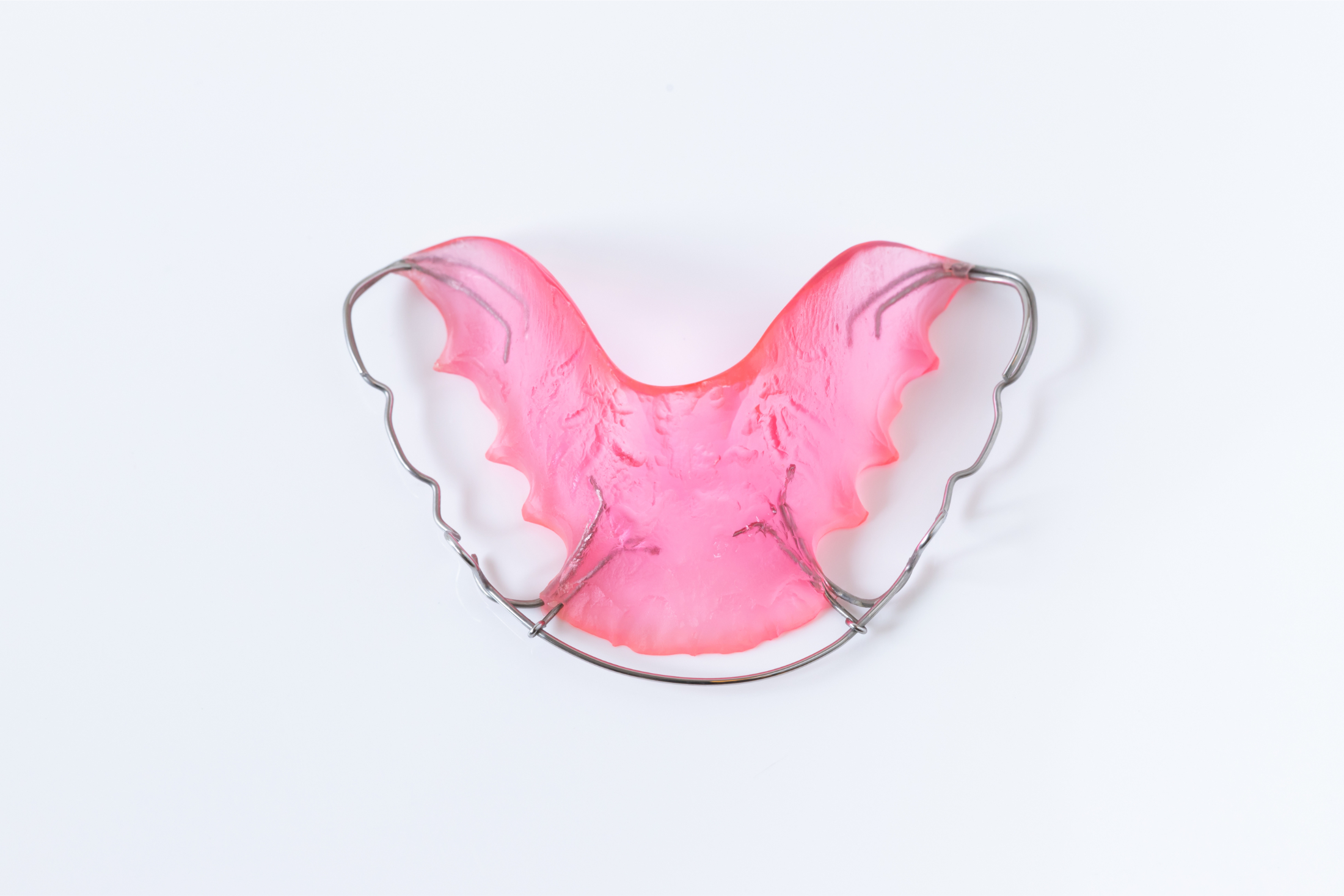
- Hawley retainer: This classic design uses an acrylic piece that rests against the roof of your mouth or along the inside of your lower teeth, paired with a metal wire that runs across the front of your teeth. The acrylic can often be customized with colors or patterns.
- Essix (clear) retainer: A clear plastic tray molded to fit snugly over all of your teeth, similar in look to an Invisalign aligner. It’s discreet, lightweight and covers the entire arch.
Removable retainers are made from a digital scan or impression so they fit precisely. Many patients start with full-time wear for the first few months, then move to nighttime-only wear as the bone and gums around the teeth settle. Fixed retainers skip the “did I remember to wear it” question entirely because they’re working every minute of every day.
Benefits of Fixed vs. Removable Retainers
Each option has real advantages, and many patients end up using both at the same time.
Benefits of a bonded (fixed) retainer:
- Nothing to remember. The wire is always doing its job.
- Hidden behind your teeth, so no one can see it.
- Constant protection for the front teeth, which are the most likely to shift.
- A strong choice for patients who had significant crowding, a gap between the front teeth or rotated front teeth before treatment.
- A good fit for teens, busy adults or anyone who worries about forgetting a removable appliance.
Benefits of a removable retainer:
- Easy to clean because you can brush and rinse it directly.
- Nothing in the way when you brush and floss your natural teeth.
- Covers the entire arch, helping keep both front and back teeth from shifting.
- Can be remade if it’s lost or damaged.
- Flexible for athletes, musicians or anyone who occasionally needs it out.
For more complex cases, a bonded retainer on the front teeth paired with a removable retainer worn at night is a common approach. That combination gives you extra security where shifting is most likely while still protecting your back teeth and bite.
Fixed vs. Removable Retainers: Side-by-Side Comparison
Here’s how the two retainer styles stack up on the things patients ask about most. Feel free to bring this list to your next visit and talk it through with Dr. Lazin.
| Factor | Fixed (Bonded) Retainer | Removable Retainer |
|---|---|---|
| Daily commitment | None, always in place | Has to be worn as directed |
| Appearance | Hidden behind teeth | Essix is clear, Hawley has a visible wire |
| Cleaning | Needs a floss threader or water flosser | Easy to brush and rinse |
| Durability | Can come loose with hard or sticky foods | Can be lost or warped by heat |
| Effectiveness | Consistent, continuous retention | Very effective when worn as directed |
| Coverage | Front teeth only | Full arch, front to back |
| Repair or replacement | Rebonded in the office | Remade from a new scan |
| Best for | Patients prone to forgetting | Patients with strong hygiene habits |
Both options work well. The decision usually comes down to how much you trust yourself to wear a removable retainer every night and how your teeth were positioned before treatment.
Caring for Your Retainer Over the Long Term
Your retainer is what protects the time and effort you put into treatment, so it’s worth a little care. A few things to keep in mind:
- Fixed retainers can last many years but may need an occasional repair visit if the wire comes loose or breaks.
- Removable retainers last longest when you rinse them after each use, keep them away from heat and store them in their case.
- Insurance coverage for retainer replacement varies from plan to plan, so ask our team about the details of yours.
- If you have questions about insurance or payment options, including iBancPay (OrthoBanc), our team is happy to help.
Keeping up with routine retainer checks helps you catch small issues before they become bigger ones. A loose wire or a cracked tray is a quick fix when it’s caught early.
Who Is a Good Candidate for Each Type?
Dr. Lazin, a board certified orthodontist, looks at your bite, tooth position and lifestyle when recommending a retention plan. There’s no single answer that fits every patient, which is why your complimentary xray/consultation appointment is the best place to start.
A fixed retainer is often the right choice for:
- Significant crowding before treatment
- A closed gap between the front teeth
- Teens or adults with a history of forgetting removable appliances
- Anyone looking for a set-it-and-forget-it option
A removable retainer tends to work best for:
- Patients with strong oral hygiene habits
- Adults who want flexibility for special occasions or work settings
- Smiles where the back teeth also need long-term retention
A combination approach may be recommended for:
- Complex cases with movement in multiple areas
- Bites where back-tooth stability is critical
- Anyone who wants the strongest possible protection against relapse
A fixed retainer usually isn’t ideal for patients who struggle with oral hygiene, since plaque buildup around the wire can irritate the gums, or for patients with a heavy bite that keeps knocking the wire loose. Dr. Lazin will walk you through the pros and cons during your consultation so you leave with a clear plan built around your smile, your schedule and your long-term goals.
Frequently Asked Questions
What are the different types of orthodontic retainers?
There are three main types of orthodontic retainers: fixed bonded retainers, Hawley retainers and Essix (clear) retainers. A bonded retainer is a wire attached behind the front teeth. A Hawley combines an acrylic piece with a visible front wire. An Essix is a clear plastic tray that fits over your teeth. Many patients use a combination of styles for the best long-term results.
Is a fixed retainer better than a removable one?
Neither one is better across the board. It depends on your lifestyle, hygiene habits and the details of your treatment. Fixed retainers win on consistency because they never come out. Removable retainers win on easy cleaning and full-arch coverage. For many patients the best answer is both: a bonded wire on the front teeth plus a removable retainer at night.
Can teeth still move with a fixed retainer?
Yes, teeth can still shift with a bonded retainer in place. The wire only holds the front teeth it’s attached to, so your back teeth and overall bite can gradually change over time. That’s one of the main reasons a fixed retainer is often paired with a removable one worn at night.
How long do I need to wear a retainer?
However long you want to keep your teeth straight. Teeth naturally tend to shift throughout life, so wearing a removable retainer at night for the long term is the current recommendation. Fixed retainers can stay bonded for many years, but they should still be checked periodically to make sure they’re intact and clean.
What happens if I stop wearing my retainer?
Your teeth will gradually drift back toward their original positions. The shift can be slow at first, but over months and years the changes become more noticeable. Catching it early is much easier than starting treatment over, so if your retainer feels tight or you’ve gone without one for a while, schedule a visit with our team.
Can I eat normally with a fixed retainer?
Yes, you can eat most foods normally with a fixed retainer. Skip hard and sticky foods that could pop the wire loose, like ice, hard candy, caramel and very chewy treats. Cut crunchy foods like apples and carrots into smaller pieces, and use a floss threader or water flosser to keep the area around the wire clean.
Protect Your Results With Confidence
Choosing between fixed and removable retainers doesn’t have to be complicated. Dr. Jamie Lazin will walk you through your options based on your treatment, bite and lifestyle so you can protect your results with confidence. You can trust your family’s smiles to us!
Ready to talk retention? Schedule your complimentary xray/consultation appointment at our Indianapolis office on Emerson Ave or our Greenwood office on Breckenmore Drive.