

Watching your teenager grow up brings plenty of milestones, and straightening their teeth is often one of them. If you’re weighing your options, Invisalign for teens is probably near the top of your research list. The good news is that today’s clear aligner technology has come a long way, and many teenagers are excellent candidates. This guide walks you through how Invisalign Teen works, how it compares to braces and how to decide if it’s the right fit for your family. Along the way you’ll find practical pointers for daily wear and answers to the questions parents ask most often before starting treatment.
What Is Invisalign Teen?
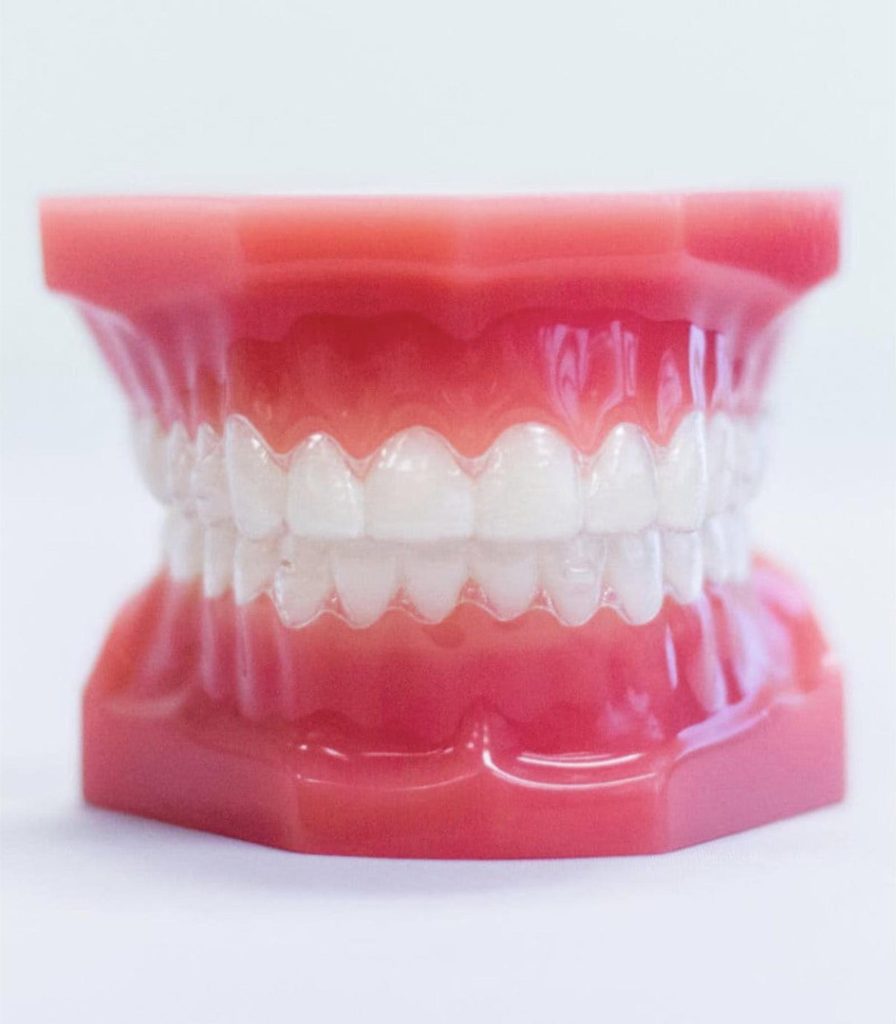
Invisalign Teen is a series of custom clear aligners designed for growing smiles. Each tray is made from smooth, clear plastic that fits snugly over your teen’s teeth and gradually shifts them into the planned position. Teens typically switch to a new set of trays every one to two weeks based on the orthodontist’s plan.
So how does Invisalign Teen differ from standard Invisalign? Two features set it apart:
- Blue compliance indicators on each aligner fade with wear, giving you and the orthodontist a quick visual check on daily wear time.
- Eruption tabs leave room for second molars and other permanent teeth that are still coming in.
Invisalign Teen can treat a wide range of concerns, including crowding, spacing, overbite, underbite, crossbite and many other common alignment issues. At Lazin Family Orthodontics, Dr. Jamie Lazin is a board certified orthodontist with experience guiding teens through clear aligner treatment. You can trust your family’s smiles to us.
How Invisalign Teen Treatment Works
The process is straightforward, and most teens settle into the routine within a week or two. Here’s what to expect from start to finish:
- Complimentary consultation and digital scan. Your teen’s first visit includes a clinical exam and a digital scan that maps every tooth in minutes. No messy impressions required.
- Custom treatment plan. Dr. Lazin uses Invisalign’s ClinCheck software to design a personalized sequence of tooth movements. You’ll often see a 3D preview showing how the smile will progress tray by tray.
- Aligners arrive and treatment begins. Your teen receives several sets of aligners at a time. Each tray is worn 20 to 22 hours a day and switched on schedule.
- Attachments (if needed). Small tooth-colored bumps may be bonded to certain teeth to help the aligners grip and handle more complex movements. They’re barely noticeable.
- Progress check-ins every 6 to 8 weeks. Short visits confirm the teeth are tracking as planned, and your teen picks up the next sets of trays.
- Retainers to protect the result. Once active treatment wraps up, retainers hold the new alignment in place. However long you want to keep your teeth straight is how long retainers get worn.
Most teen cases take 12 to 24 months, though timing depends on how complex the case is and how consistently the aligners are worn. Dr. Lazin will lay out a realistic timeline during the complimentary consultation.
Benefits of Invisalign for Teenagers
Clear aligners offer teenagers real-world advantages that often make the choice easier. Here’s what parents and teens tend to appreciate most:
- Nearly invisible. The aligners are clear and low-profile, which helps teens feel confident during an already image-conscious stage of life. Photos, presentations and social moments stay stress-free.
- No food restrictions. Aligners come out at mealtime, so popcorn at the movies, apples at lunch and corn on the cob at summer cookouts are all back on the menu. With braces, those foods are off-limits.
- Easier brushing and flossing. Because the trays are removable, your teen brushes and flosses normally. That lowers the risk of cavities and white spots, which can show up around brackets when hygiene slips.
- Easier for sports and music. No brackets or wires means fewer cuts and scrapes during contact sports. Trumpet, clarinet and other instrument players also adjust more easily since the trays can come out for practice.
- Fewer disruptions to the school day. Check-ins are usually quick and spaced 6 to 8 weeks apart, and there are no broken brackets or poking wires to schedule extra visits around.
- Built-in wear tracking. The blue indicator on each tray lets parents confirm their teen is on track without hovering.
- Comfortable fit. Smooth plastic trays mean no metal rubbing against the cheeks or lips.
That mix of flexibility and a discreet look is why so many families see Invisalign Teen as a strong fit for busy, social teenagers.
How Do Clear Aligners Support Teen Confidence?
Teenagers care about how they look in group photos, on video calls and in everyday moments at school. Because the trays are nearly see-through, most classmates won’t even notice your teen is in treatment. That quiet confidence often shows up in small ways, like smiling more in photos, speaking up in class and feeling at ease during presentations.
What Daily Habits Help Teens Succeed With Invisalign?
A little structure goes a long way. These habits keep treatment on track:
- Set a tray-change reminder. A recurring phone alert makes it easy to stay on schedule.
- Build an aligner kit. A small case, travel toothbrush and floss picks tucked into a backpack help prevent lost trays at school.
- Create a mealtime routine. Trays out, eat, brush (or at least rinse), trays back in.
- Celebrate milestones. Progress photos every few months show visible change and keep motivation up.
- Watch the blue indicator. It gives you an easy way to check wear time without nagging.
Teens who build these habits in the first few weeks usually find the rest of treatment much easier.
Invisalign Teen vs. Traditional Braces
Both options can create a beautiful result, so the choice often comes down to lifestyle, case complexity and your teen’s maturity. Here’s how they compare side by side:
| Feature | Invisalign Teen | Traditional Braces |
|---|---|---|
| Appearance | Nearly invisible clear trays | Visible brackets and wires (clear ceramic available) |
| Comfort | Smooth plastic, no metal irritation | May irritate cheeks at first |
| Hygiene | Remove to brush and floss normally | Requires special tools and extra time |
| Food restrictions | None, trays come out to eat | Avoid sticky, hard and crunchy foods |
| Sports | Trays come out for contact sports | Mouthguard recommended, risk of lip cuts |
| Daily commitment | 20 to 22 hours of wear a day | Works around the clock on its own |
| Office visits | Every 6 to 8 weeks, usually brief | Every 4 to 6 weeks for adjustments |
| Treatment time | Comparable when worn as directed | Comparable |
Both treatments handle most common bite issues well. Traditional braces may still be the better call for highly complex cases or when a teen isn’t ready for the responsibility of removable trays.
The deciding factor often comes down to follow-through. Braces are fixed and work around the clock. Aligners only work when they’re actually in the mouth. If your teen is organized, motivated and ready to commit, Invisalign is a wonderful option. If not, braces may deliver more predictable results without the daily discipline.
Dr. Lazin will walk your family through both options during the complimentary xray/consultation appointment so you can make an informed choice.
Insurance and Payment Options
Many dental insurance plans with orthodontic benefits treat Invisalign the same way they treat braces, and HSA or FSA funds can often be used as well. Every plan is different, so our team is happy to look at your coverage with you. We also offer financing options with monthly payments that fit your household budget, and you’ll have a clear picture of your teen’s plan before anything gets started.
Is Your Teen a Good Candidate for Invisalign?
Not every teenager is ready for clear aligners on day one. Dr. Lazin looks at several factors during the consultation to confirm candidacy. Here’s a quick checklist of what matters most:
- Most permanent teeth have come in. Teens who still have several baby teeth may need braces or a different approach, though Invisalign Teen does make room for some teeth that are still erupting.
- Daily wear discipline. Trays need to be in the mouth 20 to 22 hours a day. Teens who can commit to that routine do well, and those who can’t may fall behind.
- Good oral hygiene habits. Brushing after meals and keeping trays clean prevents decay, especially around any bonded attachments.
- No severe jaw or bite issues. Complex jaw concerns may call for braces, surgical orthodontics or two-phase treatment instead.
- Ready to keep track of trays. Misplacing an aligner happens now and then, but a responsible routine keeps treatment on schedule.
An online quiz can’t stand in for a hands-on exam. The only reliable way to know if your teen qualifies is a clinical evaluation with digital imaging, which is part of our complimentary consultation. Seeing the 3D preview and talking through the daily routine gives everyone a realistic sense of what the next 12 to 24 months will look like.
Frequently Asked Questions
Can my 10-year-old get Invisalign?
Most 10-year-olds are too young for Invisalign Teen because many of their permanent teeth haven’t come in yet. That said, the American Association of Orthodontists recommends a first orthodontic checkup by age 7. An early visit helps Dr. Lazin spot developing issues and plan the right timing, which might include an early phase of treatment before clear aligners.
Does Invisalign hurt?
Teens usually feel mild pressure or tenderness for a day or two after switching to a new aligner. That feeling is a sign the trays are working. Many teens find it easier to handle than the soreness that comes with braces adjustments, and the discomfort usually fades quickly.
Will aligners affect my teen’s speech?
A slight lisp is common during the first few days while the tongue gets used to the aligners. Most teens adapt within a week and speak completely normally. Reading aloud or singing along to music helps the mouth adjust faster.
What happens if my teen loses an aligner?
Call our office as soon as possible. Depending on where your teen is in treatment, Dr. Lazin may have them move to the next set early or go back to the previous set while a replacement is made. The most important thing is to keep something in the mouth so the teeth don’t start shifting.
Helping Your Teen Smile With Confidence
Invisalign Teen gives many teenagers a straighter smile without putting their social life, sports or favorite foods on hold. If you’re not sure whether aligners or braces make more sense, we’ll help you sort it out. We offer orthodontic care for every age at our Greenwood office and our Indianapolis office on Emerson Ave.